NPP Rejects 5 Year Presidential Term Extension Plan

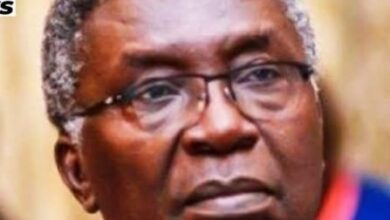
The New Patriotic Party has rejected the proposal to extend Ghana presidential term from 4 years to 5 years at a press conference in Accra on Thursday September 17 2026. The party said the existing 4 year mandate must stay because it protects democratic accountability and voter power. The position was announced by Gushegu Member of Parliament Sulemana Tampuli Alhassan on behalf of the party leadership.
The Constitutional Review Committee chaired by Professor H Kwasi Prempeh had recommended a shift from 4 to 5 years for both the President and Parliament as part of its broad reform package. The committee submitted its final report to President John Dramani Mahama in December 2025. Government accepted the proposal in July 2026 and argued that the current 4 year electoral cycle leaves little time for policy formulation, implementation and evaluation.
The NPP said it holds a different view from government and the review committee. The party insists that a shorter mandate forces performance, sharpens competition and keeps power with citizens. The challenges of transition and policy execution should be fixed through efficiency and timely decision making rather than extension, according to Gushegu MP Sulemana Tampuli Alhassan who warned that a longer term weakens regular accountability.
Ghana runs on the 1992 Constitution which is the longest lasting republican charter in the country history. Article 66 fixes the presidential term at 4 years with a 2 term limit, while Parliament also serves 4 years under Article 95. A Constitutional Review Committee is an ad hoc expert body that collects public views and proposes amendments, but any change to entrenched clauses requires a referendum with at least 40 percent turnout and 75 percent approval. This system explains why term extension debates always trigger national tension. The Free SHS policy, WASSCE grading and CSSPS placement are other systems that often interact with governance cycles because education outcomes shape voter assessment of governments.
The 4 year cycle is designed to force regular accountability. Voters review manifestos, track delivery and renew or withdraw mandates at the ballot box. Government argues that 4 years is too short for major infrastructure and social programmes to mature, hence the push for 5 years. NPP counters that extending tenure reduces pressure to perform and weakens the principle that power belongs to citizens. Across Africa, presidential terms vary from 4 to 7 years, but Ghana has maintained 4 years since 1992 and has completed 8 successful elections under that framework.
The party says it will submit its position to the ongoing national conversation and wants efficiency reforms instead of tenure extension. It is calling for early formation of government, faster ministerial vetting and strict timelines for budget execution to address implementation delays. The debate is expected to intensify as Parliament prepares to consider the review proposals.
Source: #Howedey.com
Call or WhatsApp +233 20 2190 250 and share your story.
Author: Korkor Anumu