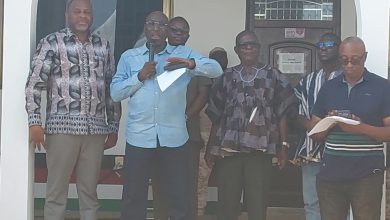
Counsel for former Power Minister Dr Kwabena Donkor, K T Hammond, has launched a blistering critique of the Office of the Special Prosecutor for publicly parading his client as a person of interest in the Ghanaian dimension of the Asante Berko bribery scandal, describing the tactic as professionally inept and procedurally repugnant.
The veteran lawyer argued that investigative propriety demands discreet invitation rather than media spectacle, insisting that neither he nor his client had received any formal communication from the anti-corruption body prior to the public disclosure. He maintained that if the OSP genuinely required information, a direct summons would have secured full cooperation without subjecting individuals to reputational harm through press conferences and radio announcements.
Hammond expressed profound deprecation for the practice of announcing persons of interest on the airwaves, stressing that constitutional safeguards and presumptions of innocence entitle subjects of inquiry to dignity and privacy until culpability is established. He rejected justifications hinged on public interest, contending that sensationalism cannot supplant due process and that legal representation should be the first point of contact in any credible investigation.
The controversy stems from Special Prosecutor Kissi Agyebeng’s identification of five individuals linked to the domestic strand of the bribery case involving former Goldman Sachs banker and former Tema Oil Refinery Managing Director Asante Kwaku Berko, recently convicted by a federal jury in Brooklyn, New York, over a scheme involving more than one million dollars in inducements to Ghanaian officials for a power plant project. Others named include Francis Walkson Kwasi Dzafa, former Technical Adviser to the Minister of Power, Solomon Adjetey Sowah, Deputy Director, Lyndon Nii Mettle, Director of Tricorp Group Limited, and Baffour Ankomah Brobbey, employee of Tricorp Group Limited, though the OSP clarified that the designation does not connote suspect status.
The clash illuminates deepening friction between defence counsel and prosecutorial optics in high-profile corruption probes, raising fundamental questions about balancing transparency with procedural fairness. As the OSP advances its Ghanaian inquiry to determine liability under domestic statutes, Hammond’s intervention is likely to intensify scrutiny over investigative methods and reinforce calls for institutional discipline that protects rights while pursuing accountability.
Author: Korkor Anumu
Call or WhatsApp +233 20 2190 250 and share your story.