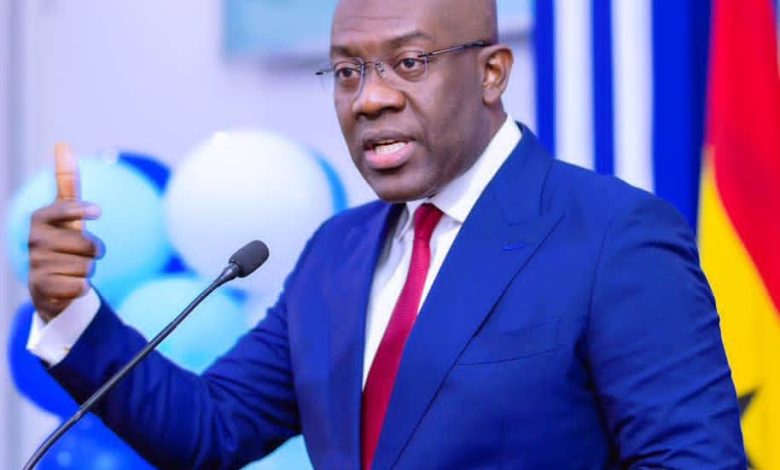
The New Patriotic Party has rejected government approach to proposed changes to the 1992 Constitution and is demanding a broader deliberative process in Accra. The party says the scale of the reforms requires political parties and key stakeholders to sit at one table before any proposals move forward. The call was made by NPP Policy Committee Chairman Kojo Oppong Nkrumah during a policy engagement.
Oppong Nkrumah argued that the review touches entrenched provisions, governance architecture and power balance that cannot be settled through a narrow process. He said a formal platform should be created for parties, civil society, traditional authorities and professional bodies to debate disagreements and build consensus. The NPP insists that without such dialogue, the process will lack legitimacy and national ownership.
The party is pushing for a constituent style forum where contentious issues like presidential term, parliamentary tenure and local government reforms are resolved openly. It says Ghana needs transparent timelines, published memoranda and recorded positions from all sides to avoid suspicion that the 1992 Constitution is being rewritten for partisan advantage. The stance comes as government presses ahead with its accepted proposals from the Constitutional Review Committee, according to NPP Policy Committee Chairman Kojo Oppong Nkrumah who described the current path as rushed.
Ghana operates under the 1992 Constitution which established the Fourth Republic and has delivered 8 successful general elections. Article 278 to 292 allows amendments, but entrenched clauses under Article 290 require a national referendum with 40 percent voter turnout and 75 percent approval. A Constitutional Review Committee is a temporary expert panel that collates public views and recommends changes, while a Constituent Assembly is a larger stakeholder body that deliberates and resolves disagreements before drafting. This distinction is central to current debate. Systems like CSSPS for school placement, WASSCE grading for university entry, Free SHS policy for access, and Energy Commission licensing for power operations all rely on constitutional stability to function.
The NPP says its demand is about process credibility and not about blocking reforms. The party points to past reviews in 2010 and 2023 where broad consultations helped shape accepted outcomes. Political analysts note that constitutional changes affect electoral calendars, executive powers and decentralization which directly shape livelihoods, business confidence and service delivery. Government maintains that its July 2026 acceptance of proposals including 5 year terms for President and Parliament is aimed at policy continuity and implementation time.
Stakeholders are expected to meet in the coming weeks as pressure mounts for an inclusive roadmap. The NPP says it will publish its detailed position paper and is ready to engage once a neutral platform is created. Observers say a well managed dialogue could turn current tension into a model for consensus building around the 1992 Constitution.
Source: #Howedey.com
Call or WhatsApp +233 20 2190 250 and share your story.
Author: Korkor Anumu