Empowering Ho Women through Liquid Soap Making Initiative
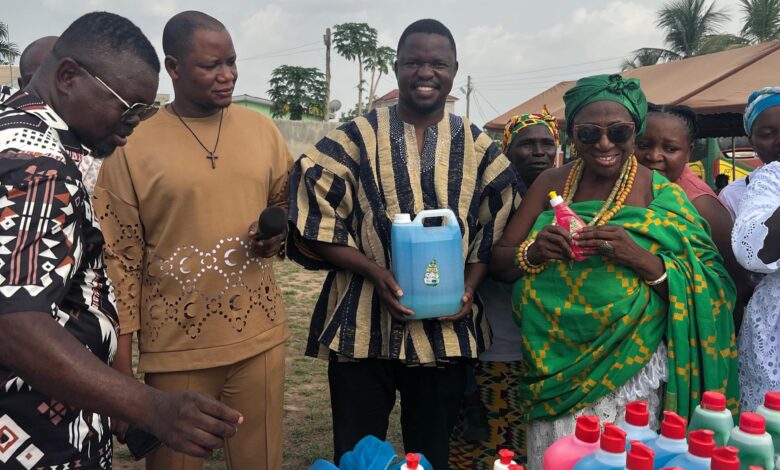
Fifty women from Area 51/52 and Voradep Village in Ho have received training in liquid soap making, a move aimed at enhancing their economic prospects. The training, organized by Mr. Joseph Amevor (Aka Asec) under the chairmanship of Mama Atrato, the second Queen of Ho Dome, is part of broader efforts to promote self-reliance among women in the community.
According to the organizers, the training was aimed at equipping the women with skills to improve their livelihoods. Dr. Robert K. Doh, who commended the organizers and trainees, advised them to cultivate a savings habit and open bank accounts to manage their funds effectively. “Cultivating a savings habit is key to sustaining your businesses,” he emphasized.
The event was attended by representatives from the Ho Municipal Assembly, including Mr. Noah Dzikpor, who represented the Municipal Chief Executive, Hon. Stephen Adom, and Madam Margaret Dzogbewu, Ho Central Women Organizer. Dr. Doh also encouraged other women to acquire skills to complement their regular jobs, highlighting the importance of economic empowerment.
This initiative underscores the commitment to promoting women’s economic empowerment in the Ho community. By acquiring skills in liquid soap making, these women are poised to improve their economic prospects and contribute to the community’s development. The Ho Municipal Assembly has been supportive of such initiatives, recognizing the critical role women play in community development.
The impact of this initiative is expected to be significant, with the women empowered to support themselves and their families. As the community continues to support such endeavors, the prospects for economic growth and development look promising.
Author: Korkor Anumu
Call or WhatsApp +233 20 2190 250 and share your story.