Clean water initiative; Kpotosu fulfils pledge.
Ho Central MP to hand over borehole equipment to the people of Lume Kpodroave to enhance water supply.

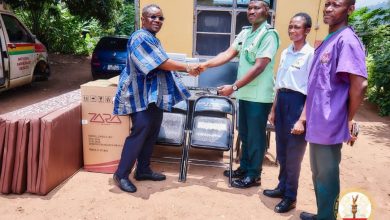
Residents of Lume Kpodroave in the Ho Central Constituency are expected to benefit from improved access to safe drinking water as the Member of Parliament for the constituency, Hon. Richmond Edem Kofi Kpotosu, officially hands over essential borehole accessories to the community on Saturday, July 11, 2026.
The handover ceremony, scheduled for 10:00 a.m. at Lume Kpodroave in the Volta Region, forms part of the MP’s commitment to fulfilling a promise made to the community to support the provision of reliable potable water. The event will bring together traditional authorities, opinion leaders, Assembly Members, political party executives, community members and other stakeholders to witness the presentation of the equipment, which will facilitate the operationalization and sustainability of the community’s borehole.
The items to be handed over include a high-quality borehole pump, a Syntex poly water storage tank, pipes and other essential borehole accessories required for the efficient functioning of the water system.
While access to potable water remains a critical component of public health and community development, particularly in rural communities where dependable water infrastructure contributes to the prevention of waterborne diseases, improved sanitation and enhanced livelihoods, the Office of the Member of Parliament noted that the initiative is aimed at improving access to safe and clean drinking water while enhancing the living conditions of residents of Lume Kpodroave.
The office also noted that the project reflects Hon. Richmond Edem Kofi Kpotosu’s commitment to addressing the basic needs of constituents through practical interventions that promote sustainable community development.
The MP again affirmed his dedication to improving the welfare of the people of Ho Central, emphasizing that expanding access to clean water remains one of the key priorities of his development agenda.
The handover ceremony under the theme: “Development for the People: Providing Clean Water, Empowering Communities, Better Lives,” accentuates the essence of community-focused development initiatives and policies in advancing the well-being of citizens.
The ceremony is expected to mark another milestone in the constituency’s ongoing efforts to strengthen basic infrastructure and improve the quality of life for residents.
By: Joyce Owusu
Howedey.com reporter