Akatsi North DCE Reports 70% Toilet Deficit To Parliament
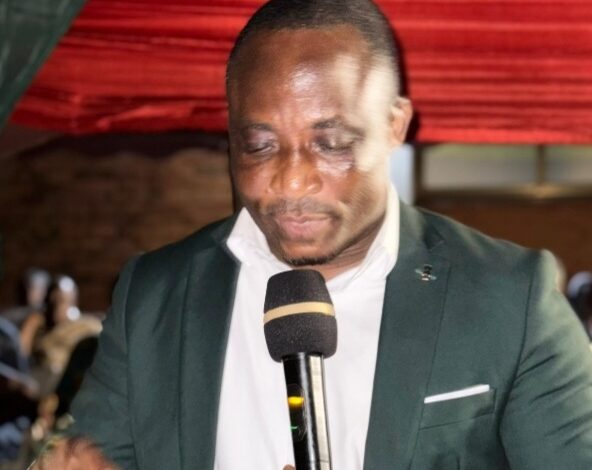
Akatsi North District Chief Executive Bless Kojo Katamani has presented the district sanitation report to the Parliamentary Select Committee on Sanitation and Water Resources in Accra revealing 70 percent toilet deficit and 85 percent wastewater disposal challenge. The DCE disclosed funding and interventions deployed to improve cleanliness across communities and public institutions in the Volta Region.
According to the DCE, 70 percent of households and public institutions in the district do not have toilet facilities while 85 percent dispose of wastewater onto the ground or street. He disclosed that the Assembly received GHS 13,555,324.18 as District Assemblies Common Fund DACF in 2025 with 10 percent allocated for sanitation amounting to GHS 1,355,532.42. For first two quarters of 2026 the Assembly received GHS 7,728,000.55 with GHS 772,800.00 representing 10 percent sanitation share.
He said funds were channeled into four key areas including solid and liquid waste disposal, Community Led Total Sanitation CLTS, institutional sanitation facilities and engagement of sanitation cleaners and labourers. The Assembly procured tricycles and a motorbike to support sanitation work. On institutional facilities an 8 unit toilet will be built at Agormor D A Basic School, another 8 unit at Ave Dakpa Basic R C School and a 3 unit toilet at the District Education Directorate. Work has started on the Directorate project but no payment has been made because no certificate has been raised so far.
Bless Kojo Katamani disclosed that cleaners and labourers were engaged in August 2026 to work at lorry parks, markets and communities and their first salaries have been paid. He noted interventions have resulted in improved cleanliness in communities, improved hygiene in schools, reduction in indiscriminate dumping, reduced open defecation, creation of employment and improvement in drainage. The evergreen explainer is that District Assemblies Common Fund DACF allocates minimum 10 percent for sanitation under Ghana sanitation policy similar to how CSSPS manages school placement and WASSCE grading standardizes academic assessment.
The DCE however cited major challenges facing sanitation efforts including need for additional equipment and logistics to cover entire district including remote communities, resistant and obsolete cultural practices and limited staffing. He called for sustained support to scale up Community Led Total Sanitation which empowers households to build their own latrines to end open defecation in line with national sanitation targets.
Source: #Howedey.com
Call or WhatsApp +233 20 2190 250 and share your story.
Author: Stella Sunu