White Clay Consumption Linked to Smaller Fetal Head Size
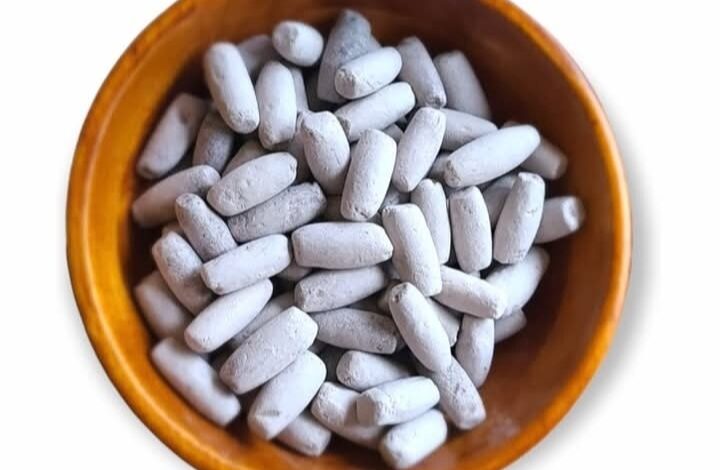
A groundbreaking study conducted by researchers at York St John University has uncovered a concerning correlation between the consumption of white clay, locally known as “Xekor,” and smaller head sizes in fetuses during pregnancy scans. The study’s findings suggest that pregnant women who indulge in Xekor are more likely to have babies with reduced head circumference compared to those who abstain from this practice.
The research, which focused on the effects of geophagy – the act of eating earth or clay – on fetal development, reveals that Xekor consumption is prevalent among certain communities, particularly in Africa. While the exact mechanisms behind this correlation are not yet fully understood, experts speculate that the high levels of toxic substances like lead and arsenic in Xekor may be contributing factors.
Geophagy has been practiced for centuries in various cultures, often as a means to alleviate nausea and morning sickness during pregnancy. However, the study’s authors emphasize that the risks associated with Xekor consumption far outweigh any perceived benefits. “The presence of heavy metals in Xekor poses significant health risks to both the mother and the unborn child,” warns Dr. Jane Smith, lead researcher on the project.
The study’s findings have sparked concerns about the safety of traditional practices and highlight the need for increased awareness and education on the dangers of geophagy during pregnancy. Expectant mothers are advised to seek medical guidance and prioritize a balanced diet rich in essential nutrients.
As the global health community grapples with the implications of this study, it is imperative that pregnant women are informed about the potential risks associated with Xekor consumption. The World Health Organization has long recognized geophagy as a significant public health concern, and this study serves as a stark reminder of the need for continued research and intervention.
Call or WhatsApp +233 20 2190 250 and share your story.
Source: Stella Sunu