Cockroach Protest: Modi Chooses Forgiveness, Not Prosecution
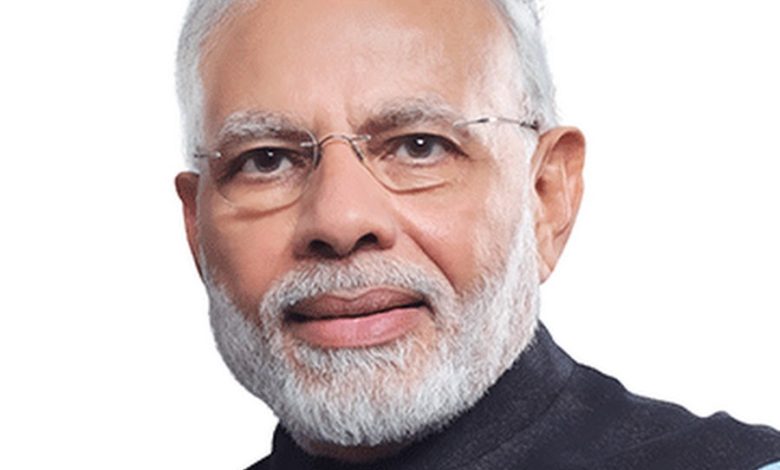
Indian Prime Minister Narendra Modi has said he forgives students who directed abusive slogans at him during last month’s nationwide protests, describing them as “misled children” who should be guided rather than prosecuted. Speaking in a video shared on social media on Friday July 31, Mr Modi said the government should focus on correcting the actions of the protesters instead of subjecting them to criminal prosecution. “These are misled children. Showing them the right path is our duty. Punishing them, making them run around courts, or tormenting them in society will not change the situation,” he said.
The prime minister acknowledged that some demonstrators used “disgusting expletives” against him and his late mother but insisted he wanted to forgive them. “It is a cultural shock to us that how can our daughters use this language,” he said before adding, “I want to forgive them.” The protests marked the most significant political challenge of Mr Modi’s third term in office. They began after a major national examination was cancelled following allegations that examination questions had been leaked, forcing more than two million students to retake the test.
Public anger over the examination scandal quickly evolved into a broader movement demanding reforms in India’s education system. Protesters organised under the banner of the Cockroach Janta Party (CJP), a name adopted in response to remarks by India’s Chief Justice of the Supreme Court, who reportedly referred to unemployed youth and activists as “cockroaches.” What started as an online campaign driven by viral memes soon transformed into a nationwide movement, attracting tens of thousands of demonstrators in New Delhi and inspiring similar protests across several Indian cities.
The demonstrations ended after the government accepted the protesters’ demands, including the resignation of Education Minister Dharmendra Pradhan, and pledged that no criminal action would be taken against participants. However, despite those assurances, authorities in states governed by the Bharatiya Janata Party later filed cases against hundreds of protesters following clashes with security forces and the chanting of anti-government slogans. During the demonstrations, confrontations erupted in several parts of the country, particularly in New Delhi, where protesters attempting to march to Parliament were dispersed using tear gas, pellet shotguns and baton charges.
The protests have also been followed by reports of online harassment. Supporters of Mr Modi’s Hindu nationalist movement allegedly identified and targeted several female protesters, including teenagers, with abusive messages, rape threats and death threats while urging authorities to take legal action against them. Some student leaders have criticised the prime minister’s latest remarks, arguing that they fail to address the conduct of security forces during the protests. Speaking to Al Jazeera, 21-year-old Delhi University student Radhika Kumar accused the government of ignoring allegations of excessive force against demonstrators.
“Modi is mute on the brutality unleashed on students in the capital and comes on Instagram to victimize himself,” she said. She further alleged that women had long faced intimidation and abuse from government supporters online, adding that the prime minister’s comments amounted to an attempt to police the behaviour of young women rather than address their concerns.
The developments highlight continuing political tensions in the aftermath of the protests, even as the government maintains that reconciliation and guidance, rather than punishment, should define its response to the student movement.
Source:Al Jazeera
Author: Joyce Owusu