Edem Segbefia Hails Mahama’s Labour Reforms As Grassroots Game-Changer
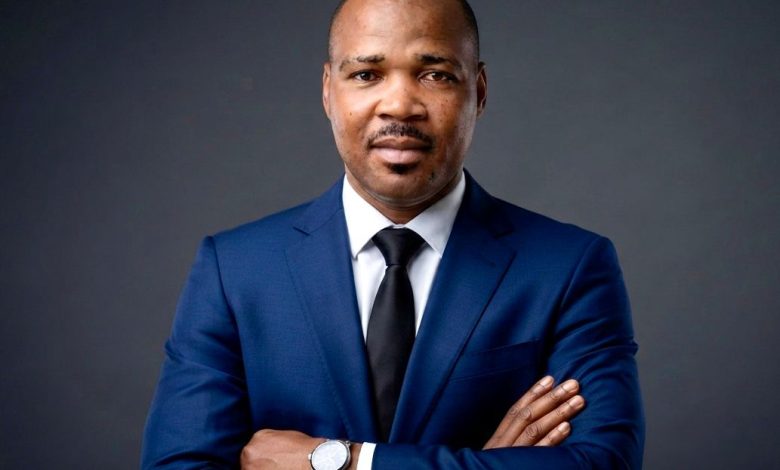
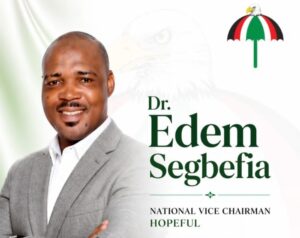
Aspiring NDC National Vice Chairman Dr. Edem Segbefia has described President John Dramani Mahama’s labour, job, and employment sector overhaul as a watershed moment for Ghana’s working class, contending that the interventions have dismantled a system of stagnation and restored dignity to households across the North East and Upper East regions. Addressing party grassroots representatives during an engagement tour, Segbefia asserted that the administration’s shift from rhetoric to implementation has recalibrated the social contract between government and citizenry after years of broken expectations.
According to an NDC news report, the Mahama administration inherited a labour market characterized by mass graduate unemployment, protracted public sector arrears, and an informal economy largely excluded from state protection prior to January 2025. Segbefia maintained that targeted public sector regularization, clearing of unpaid wages, and accelerated appointments for nurses, teachers, and security personnel have reinstated confidence in public service. He further highlighted the reconfiguration of youth employment policy toward skills acquisition, apprenticeships, and private sector placement in trades such as ICT, agro-processing, construction, fashion, and green industries, complemented by starter kits for beneficiaries.

The reforms extend into industrial and technological policy. Segbefia pointed to incentives for factories and logistics firms to operate multiple shifts, partnerships with tech hubs to equip youth for coding and digital services, and low-interest credit channels through the Ghana Enterprises Agency and district industrialization initiatives. He also underscored expanded social protection for informal workers, including market women, drivers, artisans, and gig workers, alongside labour dialogue with the Trades Union Congress to safeguard pensions and align wages with the cost of living. Community-level employment, he argued, is being catalyzed by infrastructure projects, including stadiums and AstroTurf facilities that create direct work in masonry, welding, maintenance, and event management while nurturing grassroots sports careers.
Beyond employment metrics, Segbefia framed the agenda as a political and social mobilization instrument. He posited that sports infrastructure fosters community cohesion, provides natural platforms for party engagement, and mitigates youth idleness and vices by channeling energy into productive activity. He urged constituencies to monetize facilities, document local job creation, and champion transparency in recruitment to ensure grassroots inclusion. The narrative, he concluded, must center on tangible outcomes: paid nurses, equipped artisans, and engaged youth, all of which he believes consolidate NDC’s credibility as a party of delivery.
The intervention reflects a broader recalibration of Ghana’s post-COVID economic governance, where digital administration and decentralized job creation are being deployed to absorb a youthful population and repair institutional trust. Segbefia’s advocacy signals an attempt to translate macro-policy into micro-legitimacy at the base of the party, positioning labour reform as both economic remedy and electoral capital ahead of future contests.
Call or WhatsApp +233 20 2190 250 and share your story.
Source: NDC News Report
Author: Korkor Anumu