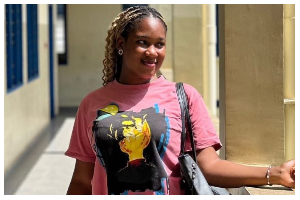
The family of the late University of Cape Coast student Innocentia Avinu has publicly repudiated claims that her organs were harvested, seeking to quell viral speculation surrounding her untimely death. Their intervention confronts a wave of misinformation that has inflamed public sentiment across the Central Region.
According to #MyJoyOnline, the Level 200 student was last seen on June 11, 2026, at Ayensu Plaza Hostel wearing a black dress before vanishing from campus. A frantic search by relatives ended in anguish when her body was discovered washed ashore near Hutchland Beach Resort in Cape Coast. Police personnel from the UCC District Command responded to the scene at dawn, documenting the recovery and transporting the remains to the Cape Coast Teaching Hospital mortuary for preservation and identification.
According to #GhanaWeb, the family categorically dismissed organ harvesting narratives circulating on social platforms, insisting that no evidence supports such assertions. The bereaved relatives emphasized that their daughter’s death remains a police matter and urged the public to refrain from conjecture that compounds their grief. Their statement follows the Education Minister’s directive for a comprehensive probe into the circumstances that led to the student’s disappearance and subsequent death.
According to #MyJoyOnline, preliminary police examination revealed blood oozing from the nose but no visible marks of assault or other external injuries on the body. Investigators photographed the scene and appealed to coastal communities and chief fishermen for information that could illuminate the events preceding the tragedy. The Dean of Students later joined family members at the mortuary where the body was formally identified, bringing closure to the identification process while deepening the quest for answers.
University administrators and law enforcement have underscored the necessity of forensic pathology to establish cause of death, noting that autopsy findings will guide further investigative steps. The incident has reignited national discourse on student safety, campus security protocols, and the rapid proliferation of unverified claims in the digital ecosystem. Scholars of criminology warn that organ trafficking rumors, though recurrent in high-profile deaths, risk obstructing justice and retraumatizing victims’ families.
The family has called for patience and respect as the Ghana Police Service conducts its inquiry, asserting that speculation undermines both the investigation and the dignity of the deceased. As Cape Coast mourns, stakeholders await the post-mortem report, hopeful that empirical findings will displace rumor and deliver accountability.
Author: Korkor Anumu
Call or WhatsApp +233 20 2190 250 and share your story.