Chambas Pushes for Innovation-Driven Education
Africa’s top peace envoy urges a shift from rote learning to problem a solving and creativity system.
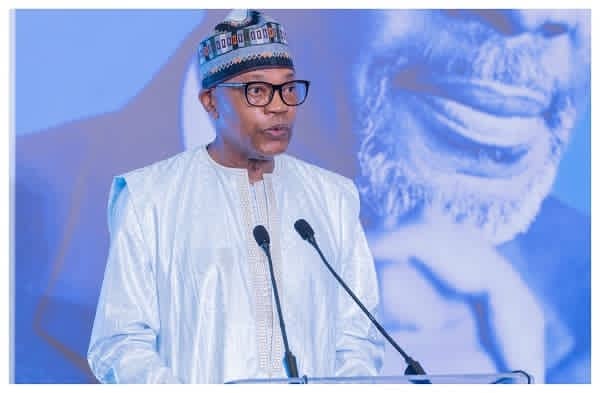
African Union High Representative for Silencing the Guns, Mohamed Ibn Chambas, has called for a fundamental transformation of Ghana’s education system, urging a decisive shift from an overemphasis on academic certificates to an education model that prioritises innovation, creativity, ethical leadership and practical skills. Delivering the second edition of the Mfantsipim Sesquicentennial Lecture on Wednesday July 29, Dr. Chambas said Ghana’s educational system must continuously adapt to meet the demands of an increasingly competitive and technology-driven global economy, stressing that the country’s future prosperity depends on producing graduates capable of creating opportunities rather than merely seeking employment.
He challenged educators, policymakers and stakeholders to critically assess whether the nation’s schools and universities are equipping young people with the knowledge, skills and values needed to compete globally and contribute meaningfully to national development. “The question is, is our educational system churning out products who can compete globally? Are we nurturing innovators capable of creating jobs rather than merely seeking employment?” he asked.
Dr. Chambas argued that education should not be viewed solely as a pathway to earning academic qualifications but as a lifelong process of shaping responsible, ethical and competent citizens. “Education is not merely about acquiring certificates. It is about forming character, cultivating wisdom, nurturing integrity, and preparing women and men who possess intellectual excellence, relevant technological skills, and moral courage and character,” he added. According to him, a robust education system has the potential to strengthen democratic governance, promote responsible citizenship and empower young people with the entrepreneurial and technical skills required to generate employment and stimulate economic growth.
He further questioned whether Ghana’s educational institutions were producing citizens who uphold democratic principles, embrace diversity and demonstrate integrity in public and private life. “Are we raising citizens who respect diversity, defend constitutional democracy, and reject corruption? Are we equipping our young people to harness artificial intelligence while preserving the ethical values that define our humanity?” he asked. Dr. Chambas described these as critical questions that demand honest national reflection as Ghana seeks to improve the quality, relevance and competitiveness of its education system.
He noted that while technological advancement, including artificial intelligence, presents enormous opportunities for development, it also requires an education system that balances innovation with strong ethical values to ensure technology serves humanity responsibly. The African Union envoy therefore called on government, educational institutions, policymakers, development partners and other stakeholders to work collectively towards building an education system that nurtures innovators, ethical leaders and globally competitive citizens capable of driving sustainable national development.
He emphasised that investing in an education system that develops creativity, critical thinking, technological competence and moral responsibility would be essential for Ghana to remain competitive and achieve long-term socio-economic progress.
Source: Citi News
Author: Joyce Owusu