NPP Demands Action Over Berko Bribery Case
The NPP says Ghana must act on evidence from the US case instead of launching another probe into the alleged bribery scheme.
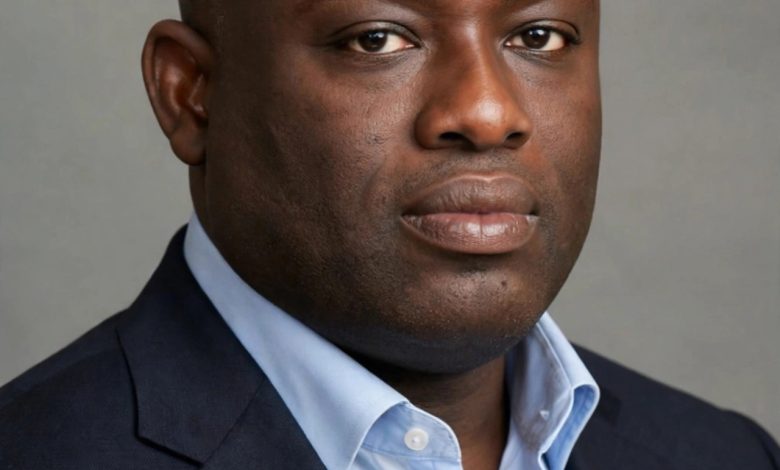
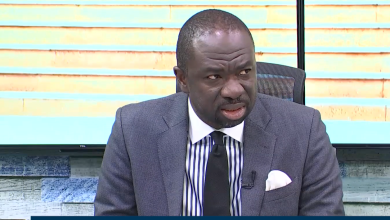
The New Patriotic Party (NPP) has called on the government to take immediate action against persons in Ghana allegedly linked to the bribery scheme involving former Goldman Sachs banker and former Tema Oil Refinery (TOR) Managing Director, Asante Kwaku Berko. The opposition party says information that has emerged from proceedings in the United States should provide a basis for decisive action against individuals implicated in the case, rather than trigger another investigation. Speaking on Citi News, the NPP Deputy General Secretary, Haruna Mohammed, said the identities of persons allegedly connected to the case were already known and urged the government to act on the available information. “People are named. These are known people. They should go and deal with them. But we have been told that they are going to investigate. Investigate what?” he asked.
He further criticised the government over what he described as a lack of decisive action on corruption-related allegations, saying the administration must demonstrate transparency and accountability in dealing with individuals linked to major public projects. “So these are the matters confronting the nation. President Mahama, if you have failed, just resign and let us live on. That is what we are expecting him to do,” Mr Mohammed said. The NPP’s position follows the conviction of Mr Berko by a federal jury in Brooklyn, United States, over his role in a bribery scheme connected to a power plant development project involving Ghana. The case has renewed scrutiny of alleged payments and transactions involving Ghanaian officials and other persons associated with the project, with calls growing for authorities in Ghana to establish whether any of the conduct identified in the US proceedings violated Ghanaian law.
The Economic and Organized Crime Office (EOCO), meanwhile, has commenced investigations into the Ghanaian dimension of the case. The investigation includes efforts to trace funds and assets that may be connected to suspected criminal conduct and to establish whether any persons or entities in Ghana participated in, benefited from or facilitated unlawful transactions. EOCO has, however, stressed that the conviction of Mr Berko in the United States does not, by itself, establish the criminal liability of persons in Ghana whose names may appear in evidence relating to the case. According to the anti-graft agency, any individual identified through evidence obtained from the US authorities and other international sources will be assessed independently in accordance with Ghanaian law.
The distinction is significant because a person’s mention in evidence or court proceedings does not automatically amount to proof of a criminal offence. Investigators are therefore expected to examine the circumstances surrounding any alleged payments, the identities of recipients and intermediaries, the purpose of the transactions and whether the conduct breached Ghana’s laws. The investigation could also involve tracing the movement of funds and determining whether assets acquired through suspected proceeds of crime can be identified and recovered.
The development has intensified political pressure on the government to demonstrate that allegations of corruption involving major public transactions will be pursued regardless of the individuals involved. For the NPP, the US proceedings provide sufficient information for Ghanaian authorities to move beyond preliminary fact-finding and begin taking concrete steps against persons for whom there is credible evidence of wrongdoing. The government, however, is expected to rely on due process and Ghanaian evidentiary and criminal-law standards before any prosecution or other legal action is taken.
The Berko case has consequently become a test of how Ghanaian institutions respond when evidence arising from an international criminal proceeding points to possible wrongdoing involving Ghanaian interests. The outcome of EOCO’s investigation is expected to determine whether the evidence supports further action in Ghana, including possible prosecution, asset recovery or other measures permitted under the law.
Source: Citi News
Author: Joyce Owusu