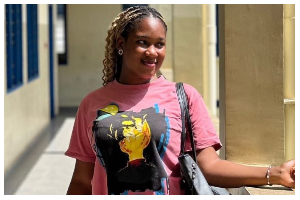
The lifeless body of twenty year old University of Cape Coast student Innocentia Avinu was discovered washed ashore at a beach near Hutchland Beach Resort, ending a frantic search that gripped the Central Region. Her recovery has plunged the academic community into mourning and triggered an immediate police investigation.
According to #MyJoyOnline, the Level 200 student was last seen on June 11, 2026, at Ayensu Plaza Hostel wearing a black dress before vanishing without trace. Relatives launched a desperate search across Cape Coast until dawn, when fishermen alerted authorities to a body on the shoreline. Personnel from the UCC District Command responded swiftly, documenting the scene and conveying the remains to the Cape Coast Teaching Hospital mortuary for preservation, identification, and forensic examination.
According to #GhanaWeb, preliminary police inspection revealed blood oozing from the nose but no visible marks of assault on the deceased. Investigators photographed the site and appealed to coastal communities and chief fishermen for information that could clarify the circumstances preceding the tragedy. The Dean of Students later joined family members at the mortuary where the body was formally identified, concluding the identification phase while deepening the evidentiary process.
According to #MyJoyOnline, the Education Minister has ordered a comprehensive probe into the student’s disappearance and death, directing security agencies to leave no lead unexplored. The directive follows public anxiety over campus safety protocols and the proliferation of unverified claims on social media, including organ harvesting speculation that the bereaved family has categorically rejected. University authorities have urged restraint, emphasizing that forensic pathology will establish the cause of death.
Innocentia Avinu was enrolled in the University of Cape Coast, one of Ghana’s premier public institutions, located in a coastal city where student life intersects with fishing communities and tourism. Recent incidents involving students have heightened scrutiny of hostel security, mental health support, and emergency response systems. Criminologists note that coastal recoveries often complicate investigations due to environmental factors, making timely autopsy and toxicology results critical to determining foul play, accident, or suicide.
The Ghana Police Service has assured the public of a transparent inquiry, stating that post-mortem findings will guide subsequent action and potential prosecution. As Cape Coast mourns, student leaders are demanding enhanced surveillance, improved lighting around hostels, and stronger collaboration between the university and law enforcement. The tragedy underscores the fragile intersection of youth vulnerability and institutional responsibility in higher education.
Source: #MyJoyOnline
Author: Korkor Anumu
Call or WhatsApp +233 20 2190 250 and share your story.