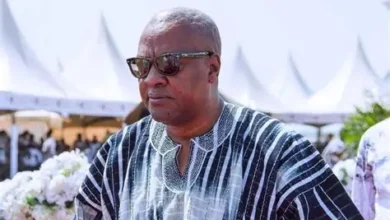
A growing chorus within the New Patriotic Party (NPP) is calling for a departure from intellectual politics, blinking that it’s the root cause of the party’s decline. This sentiment was echoed by journalist Manasseh Azure Awuni, who highlighted the perceived drawbacks of intellectualism, citing a list of antonyms from the Merriam-Webster Dictionary.
According to Prof. Kwabena Frimpong-Boateng, a former Environment Minister, the NPP’s current leadership is the real problem, lacking tolerance, poor judgment, and failing to uphold democratic values. His comments triggered a response from the party leadership, with General Secretary Justin Kodua Frimpong describing Prof. Frimpong-Boateng’s remarks as “disparaging” and announcing steps to expel him from the party ¹.
The call for a break from intellectual politics raises questions about the role of critical thinking in Ghana’s democracy. Governance and Policy Analyst, Dr Akwasi Oppong-Fosu, argues that Ghanaians must resurrect critical thinking, questioning narratives, rejecting manipulation, and holding leaders accountable irrespective of party.
The NPP’s internal struggles are not new, with some attributing the party’s decline to a disconnection from its grassroots supporters. Prof Frimpong-Boateng’s comments suggest that the party’s leadership has become too focused on maintaining power, rather than serving the people.
The implications of abandoning intellectual politics are far-reaching, with potential consequences for Ghana’s democratic development. As the country navigates its economic recovery, stakeholders will be watching the NPP’s approach to governance and policy-making.
The NPP’s presidential primaries are scheduled for January 31, 2026, and it’s likely that these internal debates will play out in the coming weeks ².
Source:
Call or WhatsApp +233 20 2190 250 and share your story.
Author: Korkor Anumu