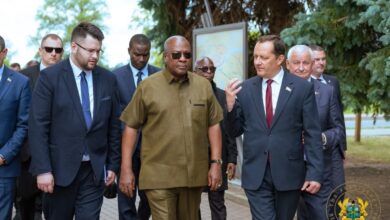
Ramaphosa Voices Shame Over Xenophobic Attacks

South African President Cyril Ramaphosa has expressed profound regret over xenophobic violence in his country, acknowledging that attacks forcing foreign nationals to flee have tarnished South Africa’s standing within the continent. The remarks were delivered at a SADC summit convened to address migration and regional cohesion.
Addressing heads of state and delegates, Ramaphosa condemned acts where migrants were threatened, displaced and driven from communities. He said such incidents inflict harm not only on victims but also on the diplomatic and economic fabric binding Southern African nations. The President framed the violence as a betrayal of the solidarity that underpinned the region’s liberation struggles.
According to SABC News Online, Ramaphosa said, “We express deep concern and shame over the treatment of foreign nationals in South Africa.” He urged law enforcement to act decisively and called for public education to counter narratives that scapegoat migrants for socio-economic challenges.
The President’s intervention comes amid renewed debate over migration policy, border management and labor competition across SADC. Analysts note that periodic outbreaks of xenophobic sentiment have strained bilateral relations, disrupted trade routes, and complicated Pretoria’s role as a regional anchor. Ramaphosa emphasized that African integration cannot advance while citizens turn on one another.
Historically, South Africa has positioned itself as a destination for economic migrants from across the continent, a legacy of post-apartheid openness. However, unemployment, service delivery gaps and misinformation have fueled periodic hostility. Regional leaders at the summit reiterated commitments to free movement protocols and to mechanisms that protect vulnerable populations.
With diplomatic ties at stake, Ramaphosa pledged government action to prosecute perpetrators and to strengthen community engagement. The summit concluded with calls for a coordinated SADC response that balances sovereignty with humanitarian obligations, signaling that the next phase will focus on implementation rather than rhetoric.
Call or WhatsApp +233 20 2190 250 and share your story.
Author: Korkor Anumu