The Office of Government Communications is working towards developing a policy framework to strengthen collaboration between government institutions and civil society organisations in promoting journalist safety.
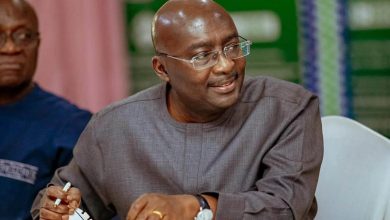
Mr Felix Ofosu-Kwakye, the Minister of State in charge of Government Communications, who made this known, said the framework would encourage coordinated responses to threats, intimidation and harassment against journalists.
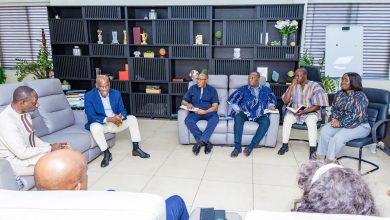
The Minister said this at a National Public Information Forum organised by the Information Services Department (ISD), on Wednesday in Accra.
He said the framework is intended to ensure that government institutions and civil society organisations work together in a structured and coordinated manner, rather than responding to incidents of attacks on journalists in isolation.
Mr Ofosu-Kwakye said the safety of journalists should be taken seriously, and no journalist should be assaulted, threatened, or unlawfully detained for undertaking a legitimate professional assignment.
He reiterated that allegations of attacks, including those involving security personnel, must be investigated and accountability pursued where wrongdoing is established.
“No journalist should be assaulted, threatened, or unlawfully detained for undertaking a legitimate professional assignment. Allegations of attacks, including those involving security personnel, must be investigated, and where wrongdoing is established, accountability must follow,” he said.
He stressed that the protection of journalists should be the responsibility of every institution committed to the rule of law, and that journalism’s contribution to national development and democracy must be safeguarded.
Mr Ofosu-Kwakye also reaffirmed government’s commitment to media freedom, saying government does not expect favourable headlines as a condition for engagement, nor does it expect journalists to surrender their editorial independence.
“We do not expect favourable headlines as a condition for engagement, nor do we expect journalists to surrender their editorial independence in the name of partnership. Indeed, a government that is confident in its democratic credentials must be prepared to answer difficult questions and accept legitimate criticism,” he said.
He said the media must be free to criticise whenever there is a shortfall, acknowledge achievements when government delivers, and demand explanations whenever the public interest requires it.
The National Public Information Forum brought together government communicators, media practitioners and other stakeholders to discuss public information, accountability and the role of the media in national development.
The call for a coordinated framework comes amid concerns about the safety of journalists and the protection of media independence in Ghana, with the Ghana Journalists Association (GJA) having recorded more than 50 incidents involving attacks, arrests and harassment of journalists between 2022 and January 2026.