Six Ancient Comorian Medinas Gain World Heritage Status
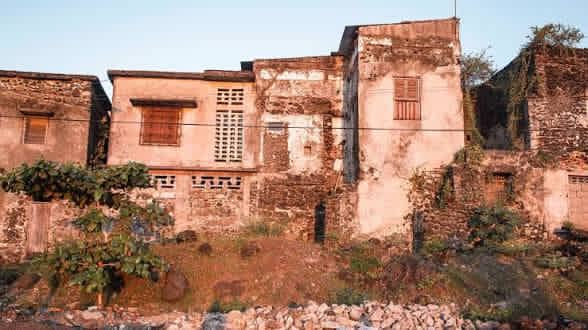
Six ancient medinas in the Comoros have been inscribed on UNESCO’s World Heritage List, marking a historic milestone for the Indian Ocean island nation and offering renewed hope for the preservation of some of Africa’s oldest urban settlements.
The newly listed medinas, several of which date back to the 12th century, are the first sites from the Comoros to receive World Heritage recognition. They were selected for their outstanding cultural significance and their distinctive architectural heritage, reflecting the monumental style that flourished during the archipelago’s sultanate era. Spread across the islands of Grande Comore and Anjouan, the six historic towns feature palaces, mosques, public squares and labyrinths of narrow streets that have remained at the heart of community life for centuries.
Comoros’ Minister for Culture, Said Mohamed Ali Said, described the recognition as the beginning of a new chapter rather than the culmination of preservation efforts. “This listing is not a finish line but a starting point,” he said, adding that the medinas “are not just historical sites for us, they are living towns, where people still pray, trade, and celebrate life’s great moments exactly as our ancestors did.” The minister warned that the country’s architectural heritage remains under threat, saying, “This heritage is fragile and, in places, in real danger.”He again added that “the listing changes things. It places obligations on us, but it also opens doors for us,” referring to the opportunities for international cooperation and conservation support that accompany the UNESCO designation.
Located about 300 kilometres off Africa’s eastern coast, the Comoros served for centuries as a strategic crossroads for maritime trade linking East Africa, the Middle East and Madagascar. The islands’ rich cultural heritage reflects centuries of interaction among diverse civilizations. Four of the newly recognised medinas are located on Grande Comore, the country’s largest island, while the remaining two are on Anjouan.
Among the most prominent is the 14th-century medina of Moroni, the national capital, home to the iconic Friday Mosque with its distinctive green minaret overlooking the traditional dhow harbour. The historic quarter is characterised by paved alleyways, multi-storey stone houses and intricately carved wooden doors that showcase the craftsmanship of earlier generations. Nearby lies the coastal medina of Itsandra, regarded as a cradle of Swahili civilisation. Further south, the 12th-century medina of Iconi contains the tomb of Prince Said Ibrahim, son of the last Sultan of Grande Comore, Said Ali.
Heritage Promotion Office Director General Ania Mohamed Issa said the historic settlements have suffered from decades of unchecked development. “The Comorian medinas were once home to historic sultanates. Unfortunately, uncontrolled urbanisation and ‘modernisation’ have altered them,” Issa stressed
Despite those challenges, there is growing optimism that the UNESCO recognition will strengthen efforts to conserve the sites while boosting cultural tourism. Faniya Abbas of the Medina Wiratha cultural association said the inscription would encourage “the development of cultural, historical and architectural tourism, and the preservation of heritage.”
According to UNESCO’s nomination, the medinas have largely preserved their original urban layout, architectural character and living traditions. However, many of their oldest structures remain highly vulnerable, with several buildings already in serious disrepair, underscoring the urgency of conservation efforts. The recognition places the Comorian medinas among more than 1,200 World Heritage properties worldwide, highlighting their universal cultural value and reinforcing efforts to safeguard the archipelago’s unique historical legacy for future generations.
Source: Rédaction AfricaNews With AFP
Author: Joyce Owusu