Chairman Wontumi Jailed 20-Years With Hard Labour
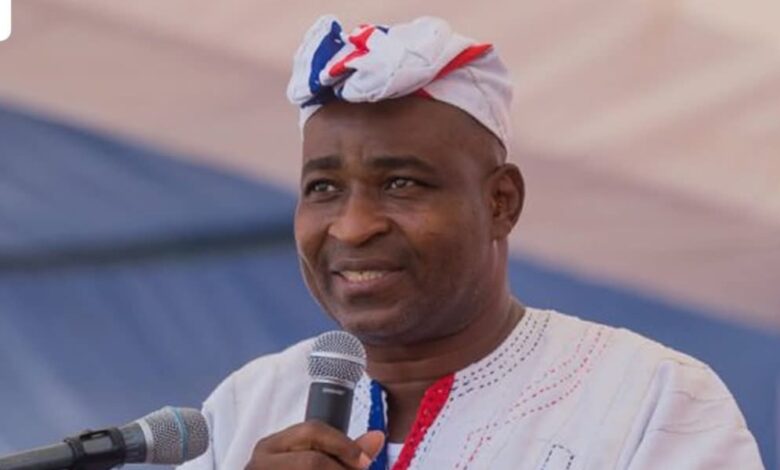
The Ashanti Regional Chairman of the New Patriotic Party, Bernard Antwi Boasiako, widely known as Chairman Wontumi, has been found guilty in a high-profile prosecution linked to alleged unauthorized mining operations on Akonta Mining Company Limited’s concession at Samreboi in the Western Region. The verdict, delivered by the Criminal Court Four Division of the High Court in Accra, marks a pivotal moment in the state’s intensifying campaign against illicit extraction and political entanglement in natural resource governance.
Judicial proceedings centered on claims that activities within the concession contravened regulatory statutes governing mineral exploitation and environmental stewardship. Prosecutors argued that the operations lacked requisite compliance and oversight, precipitating ecological degradation in a forest reserve area. The court’s determination, after meticulous examination of documentary exhibits and testimonial evidence, establishes culpability and is expected to set precedent for how corporate and political affiliations intersect with resource law enforcement.
Rhe court found that the concession had been exploited in a manner inconsistent with statutory permits and environmental safeguards. Legal analysts observe that the judgment underscores the judiciary’s willingness to adjudicate cases involving prominent political figures without deference to status, thereby reinforcing institutional credibility. The ruling also raises pertinent questions about due diligence, beneficial ownership, and corporate liability within Ghana’s mining sector.
The case has reverberated beyond the courtroom into the political sphere. As a leading regional party organizer, Wontumi wields considerable influence within NPP structures in Ashanti, a bastion of the ruling party. Observers contend the conviction could recalibrate internal party dynamics ahead of national elections, while also signaling to investors that regulatory infractions will attract penal consequences irrespective of political stature. Environmental advocacy groups have welcomed the decision as affirmation that forest reserves merit uncompromising protection.
Contextually, illegal mining, locally termed galamsey, has long posed systemic challenges to water security, biodiversity, and public health in Ghana. Successive administrations have instituted taskforces, moratoria, and legislative amendments to curb the menace, yet enforcement has often been uneven. This prosecution aligns with a renewed prosecutorial posture aimed at deterrence through high-visibility accountability rather than administrative sanctions alone.
The immediate implications point toward sentencing and possible appeals, as well as broader policy recalibration on concession monitoring. For now, the verdict crystallizes a narrative of legal consequence, political exposure, and environmental imperative converging at Samreboi.
Call or WhatsApp +233 20 2190 250 and share your story.
Author: Korkor Anumu