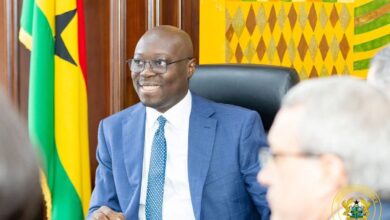
A prominent economist, George Domfe, has lambasted the Bank of Ghana for allegedly compromising its institutional independence by succumbing to government pressure, sparking concerns about the central bank’s ability to effectively execute its mandate. Speaking on #AsaaseRadio, Domfe asserted that recent monetary operations and balance sheet decisions have raised eyebrows, suggesting that the Bank is acting as a de facto agent of the government.
Domfe expressed dismay at the Bank’s apparent shift from its core objective of maintaining price stability, warning that such a trajectory could undermine investor confidence and destabilize the economy. “The Bank of Ghana’s actions are increasingly resembling those of a political tool, rather than an independent regulator,” he opined.
The economist’s criticism comes amidst growing unease about the government’s expanding fiscal deficit and its implications for monetary policy. Domfe argued that the Bank’s decisions, particularly with regards to monetary expansion and foreign exchange interventions, appear to be driven by short-term political considerations rather than long-term economic fundamentals.
According to Domfe, the Bank’s compromised position is likely to have far-reaching consequences, including heightened inflationary pressures and reduced credibility in the eyes, capital flight, and a sharp depreciation of the cedi. The Bank of Ghana, he noted, has a critical role to play in maintaining macroeconomic stability, but its effectiveness is being compromised by its apparent subservience to the government.
The government has been under pressure to address the country’s economic challenges, including a widening current account deficit and dwindling foreign exchange reserves. However, critics argue that the administration’s policies have been inconsistent and lacking in transparency, exacerbating the crisis.
Call or WhatsApp +233 20 2190 250 and share your story.
Source: Stella Sunu