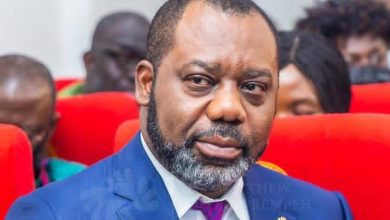
The government of Ghana has declared Friday, January 9, 2026, a public holiday to commemorate Constitution Day, which falls on Wednesday, January 7, 2026. This decision was announced by the Ministry of the Interior in a statement signed by Minister Muntaka Mohammed-Mubarak.
The ministry explained that the holiday was shifted from January 7 to January 9 in line with the Public Holidays and Commemorative Days Act, 2001 (Act 601), as amended. The Act states that statutory holidays falling on Tuesdays, Wednesdays, or Thursdays will be observed on Fridays to create a long weekend.
The move is aimed at enhancing productivity, boosting domestic tourism, and fostering national cohesion. By grouping days off into a long weekend, employees are expected to return to work more rested and focused.
Constitution Day commemorates the coming into force of the 1992 Constitution and the birth of the Fourth Republic on January 7, 1993. The government encourages all citizens to observe the holiday and participate in national celebrations.
The declaration applies nationwide, and the general public is urged to take note and comply accordingly.
Author: Korkor Anumu