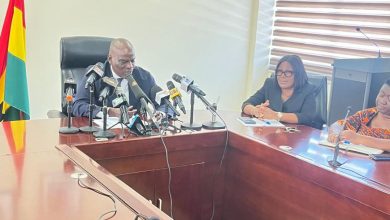
Administrator of the Ghana Investment Fund for Electronic Communications, Rashid Tanko-Computer, has called on Ghanaians to recognise the significance of President John Dramani Mahama’s return, contending that his electoral triumph averted an imminent breakdown of the nation’s educational architecture. His assertion casts the political transition as a decisive intervention for academic stability.
Tanko-Computer argued that the trajectory of the educational sector prior to the change in administration was unsustainable, plagued by funding deficits, infrastructural decay and policy inconsistency. He maintained that Mahama’s victory restored strategic direction, rekindling confidence among teachers, parents and development partners who had grown disillusioned with the prevailing conditions.
The GIFEC Administrator emphasised that electronic communications and digital inclusion, central to modern pedagogy, require visionary leadership to bridge the rural-urban divide. He noted that under Mahama’s stewardship, initiatives aimed at expanding connectivity to underserved schools have regained momentum, positioning technology as a catalyst for equitable learning outcomes and national competitiveness.
Observers recall that the education sector had faced intense public scrutiny over placement challenges, resource allocation and curriculum implementation. Tanko-Computer’s remarks therefore reframe the political discourse, suggesting that governance choices have direct ramifications for classroom effectiveness and long-term human capital development.
His comments are expected to provoke debate within political circles, with supporters hailing Mahama’s experience as a stabilising force and critics demanding empirical evidence of reform. Nonetheless, the intervention underscores the centrality of education in Ghana’s development narrative and the enduring influence of presidential leadership on its fortunes.
Call or WhatsApp +233 20 2190 250 and share your story.
Author: Korkor Anumu