Economic Recovery Must Improve Citizens’ Lives -Bokpin
Economist says macroeconomic gains must translate into jobs, better services and improved living standards for Ghanaians.
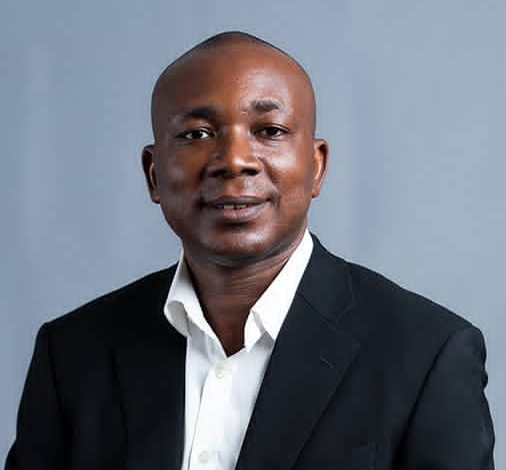
Prof. Godfred Alufar Bokpin, economist and Professor of Finance, has urged policymakers to measure Ghana’s economic recovery by the tangible improvements in the lives of citizens rather than relying solely on favourable macroeconomic indicators such as inflation, debt sustainability and economic growth. Speaking at the Ghana National Chamber of Commerce and Industry (GNCCI) Mid-Year Budget Review Seminar in Accra on Wednesday July 29, Prof. Bokpin acknowledged the country’s recent progress in restoring macroeconomic stability but cautioned against celebrating those achievements without corresponding improvements in employment, infrastructure and public welfare.
He argued that while Ghana’s economy has shown encouraging signs of recovery, many citizens have yet to experience meaningful improvements in their quality of life. “Macroeconomic stability is a means to an end. The end is economic transformation,” he said. Prof. Bokpin stressed that the real measure of economic success should be whether citizens can access decent jobs, quality healthcare, education, reliable infrastructure and improved public services. “We cannot celebrate these gains in isolation. You have not arrived,” he stated.
His comments come at a time when Ghana’s macroeconomic indicators have recorded significant improvements. Inflation declined to 5.3 per cent in June 2026, while the economy expanded by 6.4 per cent in the first quarter of 2026 after recording six per cent growth in 2025. The country has also restored debt sustainability ahead of schedule, moving from debt distress to a moderate risk classification. Despite these positive developments, Prof. Bokpin noted that labour market and welfare challenges continue to affect millions of Ghanaians.
According to data from the Ghana Statistical Service, GSS, the national unemployment rate stood at 13 per cent in the third quarter of 2025. Youth unemployment remained particularly high, with 32.4 per cent of people aged between 15 and 24 unemployed. The data further showed that approximately 1.34 million young people in that age category were not in employment, education or training. The Ghana Statistical Service also estimated that 38.1 per cent of the population experienced food insecurity during the third quarter of 2025, underscoring the continued economic hardship faced by many households despite improving national economic indicators.
Prof. Bokpin observed that economic growth over recent years had not generated sufficient formal employment opportunities, especially for the growing number of young people entering the labour market each year. He therefore called for increased investment in critical infrastructure, arguing that poor road networks, persistent traffic congestion and inadequate public services continue to reduce productivity and increase the cost of doing business across the country.
According to him, the fiscal space created through debt restructuring and ongoing fiscal reforms should be strategically directed towards sectors capable of driving long-term economic transformation, including infrastructure development, education, healthcare and productive industries. He maintained that reducing inflation and public debt alone would not fundamentally transform the economy if the underlying structural challenges affecting businesses and households remained unresolved. Prof. Bokpin further emphasised the importance of aligning fiscal and monetary policies with the needs of the real sector of the economy, where employment opportunities, incomes and wealth are generated.
Although Ghana is transitioning from the International Monetary Fund-supported programme to the Policy Coordination Instrument, he noted that the country still faces substantial development and financing challenges. He therefore urged policymakers to remain focused on delivering policies that produce measurable improvements in the welfare of citizens, insisting that sustained economic recovery must ultimately be reflected in higher living standards, greater employment opportunities and inclusive national development rather than favourable economic statistics alone.
Source:GNA
Author: Joyce Owusu