Naming 1,300 People by Their Status: Was This Really Necessary?
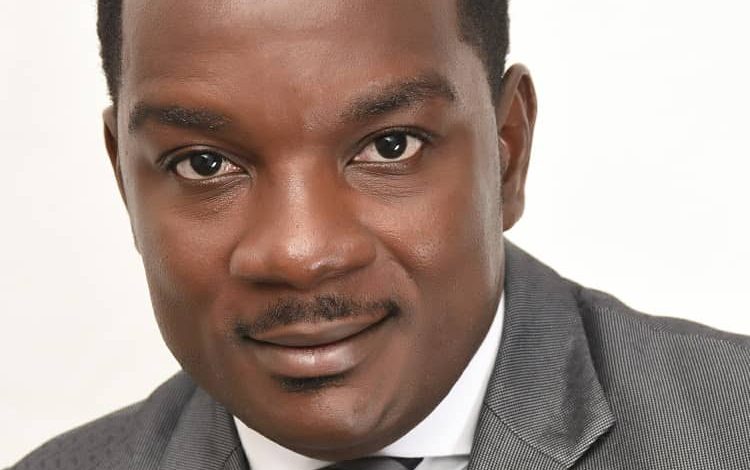

Alhaji Muntaka Mohammed-Mubarak, Minister of Interior, recently told the public that 1,300 applicants for Ghana’s security services were disqualified because they are HIV positive. The statement was made in good faith, I assume. But good intentions do not excuse bad judgment.
When you put a number and a medical condition in the same sentence in a press briefing, you do more than inform. You expose.
*Can an HIV Positive Person Not Serve?*
This is the central question we are avoiding.
The science has moved. With ARVs, an HIV positive person with an undetectable viral load cannot transmit the virus and can live a full, healthy, and productive life. The WHO, UNAIDS, and even the Ghana AIDS Commission promote a “treatment as prevention” model.
So why are we still using an HIV diagnosis alone as an automatic disqualifier for uniformed service?
My findings:
1. *The policy is outdated.* Most modern security and police services globally, including the US, UK, and Canada, no longer have an outright ban. They assess individuals based on medical fitness, viral load, and ability to deploy. A person on stable treatment is often deemed fit.
2. *It’s about logistics, not capability.* The argument has always been about access to medication in the field. But Ghana’s security services already manage personnel with diabetes, hypertension, and asthma on medication. We can build a supply chain for ARVs if we choose to.
3. *We are wasting talent.* 1,300 people passed aptitude, physical, and background checks. That is a huge investment of state resources thrown away. In a country with youth unemployment, we should be asking: are we disqualifying people for a manageable condition?
The question is not whether standards matter. It is whether HIV status alone is a fair standard in 2026.
*”By Fair or Foul Means”: The Rush To Disqualify*
The way this was announced suggests the Ministry was determined to disqualify these applicants by any justification available.
Instead of saying “did not meet medical standards,” the specific condition was named. Instead of protecting the data, it was put in a public statement.
It creates the impression that the goal was not just to enforce standards, but to find a reason to cut the list down, and HIV status was the most convenient one. That is not recruitment policy. That is an excuse.
When policy is applied this way, it stops being about fitness and starts being about exclusion.
*Transparency or Public Shaming?*
The Minister’s job is to be accountable to Parliament and the public. No one is arguing against that.
But did we need a press statement with the specific number and the specific condition?
What was the public interest in knowing “1,300 were HIV positive” instead of “1,300 did not meet medical standards”? The second version protects privacy. The first version fuels stigma.
By making open comments, the Ministry handed every HIV positive Ghanaian a new reason to avoid testing. “If I test positive, I can never wear the uniform.” That directly undermines 20 years of public health messaging from the Ghana AIDS Commission.
*Who Should Handle This?*
This is an internal HR and medical policy issue for the Ghana Police Service, Prisons Service, Fire Service, and Immigration Service.
The heads of these services, working with the Ministry of Health and the Ghana AIDS Commission, should review the medical entry standards. They should ask: Is this policy evidence-based? Is it constitutional? Is it costing us good recruits?
That conversation does not need to happen on radio and TV with specific medical details attached.
When we broadcast sensitive health data, we do two things: we violate the privacy of 1,300 citizens, and we tell every other Ghanaian that their medical information is not safe with the state.
*The Cost Going Forward*
We cannot build a “society free of stigma” and in the same week announce a mass disqualification by medical status. Both cannot be true.
The Ministry must do 3 things now:
1. *Review the policy.* Bring in medical experts to see if “HIV positive” should equal “automatically unfit.”
2. *Apologize for the disclosure.* Not for the recruitment decision, but for the manner it was communicated.
3. *Set a new standard for announcements.* Future updates should only state numbers and “medical requirements,” not diagnoses.
A strong security service needs fit personnel. But a strong nation needs citizens who trust that their government will protect their dignity even when they are not selected.
Minister, you can have standards without spectacle. 1,300 young people deserved that.
—
Tony Mark-Boye