Over 100 Killed As Cameroon Border Mine Collapses
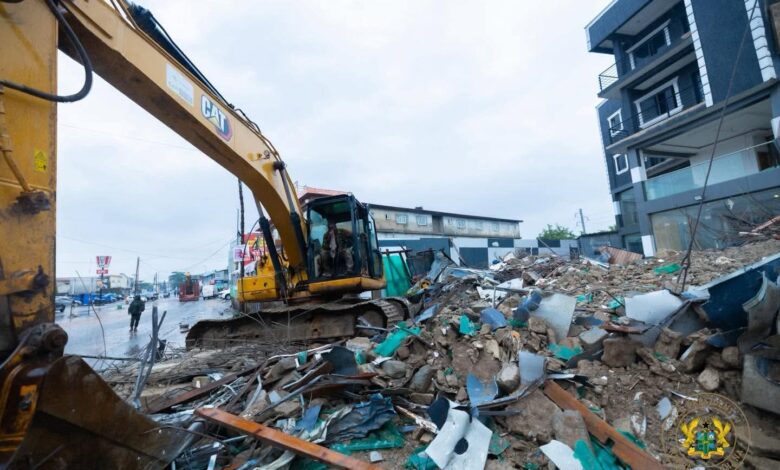
More than one hundred people have perished after an artisanal mine collapsed in a remote village along the Cameroon border, in what authorities describe as one of the deadliest mining catastrophes in the region in recent years.
The shaft, reportedly excavated without regulatory approval, gave way during peak working hours, entombing miners and nearby traders beneath tons of debris. Rescue teams arrived hours later, hampered by poor access roads and the absence of heavy equipment, forcing villagers to attempt extractions with rudimentary tools.
According to Cameroon Regional Disaster news report, local officials confirmed that the facility was an unlicensed operation exploiting gold and aggregates, a practice that has proliferated amid economic hardship and porous border oversight. The spokesperson stated that the terrain’s instability, combined with inadequate shoring, rendered the collapse inevitable and catastrophic.
Eyewitnesses described scenes of anguish as families gathered at the site, calling out names while emergency responders retrieved bodies. Health personnel noted that many victims suffered traumatic asphyxiation and crush injuries, compounding the logistical burden on understaffed clinics in the border district. Government engineers have since cordoned the area and initiated a geotechnical assessment.
The tragedy underscores a persistent dilemma in Central Africa’s extractive economy: the proliferation of informal mining as a livelihood strategy juxtaposed against chronic regulatory failure. Analysts point to decades of limited formal employment, cross-border smuggling networks, and weak enforcement of safety statutes as catalysts that perpetuate hazardous operations despite repeated warnings from civil society.
With recovery efforts concluding and burial rites underway, pressure is mounting on both national authorities and regional bodies to enforce licensing regimes, deploy safety audits, and provide alternative economic pathways for border communities. The scale of this loss demands not only mourning, but structural intervention to prevent a recurrence.
Call or WhatsApp +233 20 2190 250 and share your story.
Source: Cameroon Regional News
Author: Korkor Anumu