Dafeamekpor Warns Arrests Over Insults Hurt Government
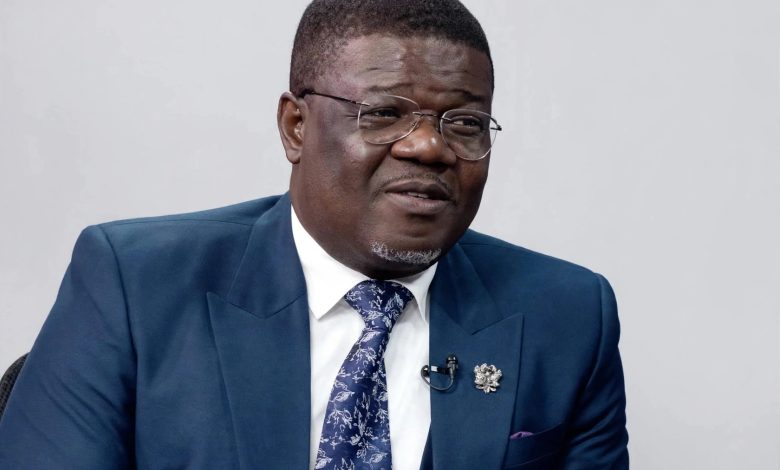
ACCRA — Majority Chief Whip Rockson-Nelson Dafeamekpor has cautioned that the arrest of citizens over alleged insults targeting government officials is politically counterproductive and risks projecting an image of intolerance. Speaking on national television, the South Dayi MP urged the administration to resist the temptation of criminalizing political speech and instead concentrate on governance delivery.
Dafeamekpor described such utterances as regrettable but not existential threats to state authority. He argued that the repeated detention of individuals for verbal criticism could be construed as suppression of dissent, a narrative already being amplified by the opposition. According to CitiNewsroom report, the lawmaker expressed concern that the actions were often undertaken by law enforcement without direct executive instruction, yet the political fallout accrues to the government.
“I am upset by some of these arrests; it hurts the government. Sometimes government doesn’t even sanction them; it’s the police,” he stated on TV3’s The Key Points. “Let’s focus on our mandate and deliver. As a government, we don’t want this at all. Arresting people and confining them, it doesn’t help us. That is my disclaimer.” The remarks underscore an internal appeal for strategic restraint amid heightened partisan scrutiny.
The intervention comes days after the New Patriotic Party staged a “Democracy Under Attack” demonstration, alleging political persecution, selective justice and the instrumentalization of state institutions. The NPP’s protest sought to galvanize public sentiment around constitutional governance and the protection of free expression. Government officials have dismissed the accusations, maintaining that law enforcement actions are guided by due process.
The broader context reveals a recurring tension in Ghana’s Fourth Republic between the imperatives of public order and the protection of civil liberties. Analysts note that prosecutions for offensive communication have historically generated backlash, often eclipsing policy messaging and diverting attention from developmental priorities. Dafeamekpor’s admonition appears aimed at insulating the administration from such reputational damage.
With the administration mid-term, the Chief Whip’s position signals a push within the majority caucus for a communications strategy anchored in performance rather than confrontation. Whether this counsel translates into operational directives for security agencies will likely determine the tenor of political discourse ahead of the next electoral cycle.
Source: CitiNewsroom
Author: Korkor Anumu
Call or WhatsApp +233 20 2190 250 and share your story.