Elon Musk Says Money May Be Obsolete By 2036
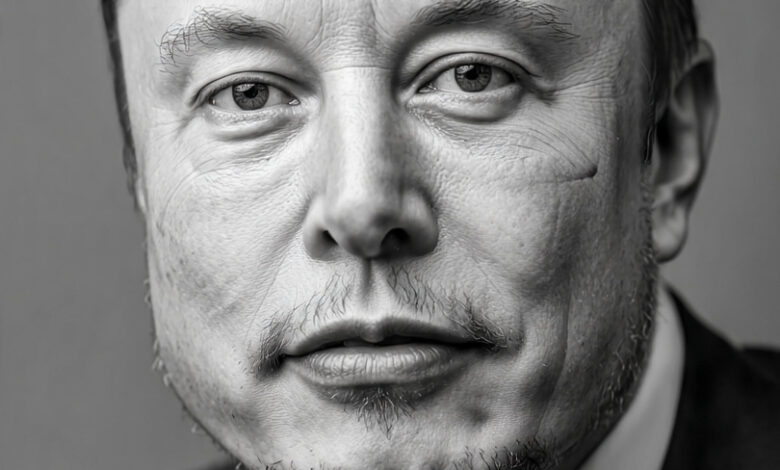
Billionaire technologist Elon Musk has posited that money could lose its primacy within a decade, arguing that artificial intelligence and automation will generate material abundance at a scale that reconfigures wealth, labor, and exchange.
Speaking on the trajectory of AI-powered systems, Musk suggested that intelligent automation could saturate demand for essentials. According to him, AI-driven production may yield sufficient food, housing, transportation, and entertainment to exceed human consumption needs, thereby diminishing the transactional role of currency.
The proposition hinges on post-scarcity logic, where marginal costs of production approach zero and algorithms coordinate supply chains with minimal human intervention. Proponents contend this would recalibrate economic incentives away from accumulation and toward access, creativity, and stewardship.
Skeptics counter that structural constraints remain formidable. Economists warn that “scarce resources, entrenched inequality, and the concentration of AI infrastructure ownership could prevent such a future from materializing equitably.” They argue that control over energy, data, and compute capacity may simply transpose capital into new forms of power.
The debate situates itself within a broader discourse on technological displacement. Historically, industrial revolutions redistributed rather than eliminated economic value, creating new sectors even as they rendered others obsolete. The current wave, distinguished by autonomous learning systems, raises distinct questions about governance, property rights, and distributive mechanisms.
Whether currency recedes or adapts, policymakers and institutions will face pressure to redesign welfare architectures, taxation models, and ownership frameworks. The central contention is not only about abundance, but about who governs the systems that produce it.
Call or WhatsApp +233 20 2190 250 and share your story.
Author: Korkor Anumu