Israel Alerts Trump to Alleged Iran Assassination Plot
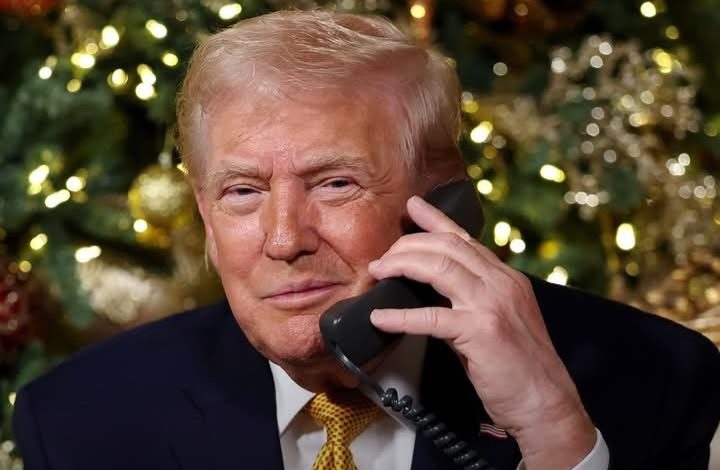
Intelligence conveyed by Israel to US President Donald Trump has indicated that Tehran was preparing an operation to assassinate him, US media outlets reported, thrusting a long-simmering geopolitical rivalry back into the center of Washington’s security calculus. The disclosure arrives amid escalating regional tensions and renewed scrutiny of Iranian covert capabilities beyond the Middle East.
According to a major US news report, Israeli officials relayed specific assessments suggesting that elements within Iran had advanced planning toward targeting the former and current president. The information was presented as part of routine intelligence sharing between two close allies, and it underscores the extent to which threats against American leadership have become enmeshed in the broader confrontation over Iran’s nuclear program and regional posture. Neither the US government nor Iranian authorities had issued an immediate public response to the allegation at the time of publication.
Washington has previously asserted that it interdicted several Iranian schemes aimed at harming Trump and members of his administration, citing retribution for the 2020 drone strike that killed Qasem Soleimani. Security analysts contend that such plots, whether executed or merely contemplated, are consistent with Tehran’s doctrine of asymmetric retaliation, which relies on clandestine networks, proxy actors and deniable operations to project power while avoiding direct state-to-state conflict. The gravity of the latest claim lies in its timing and in the fact that it was flagged by a foreign intelligence service with extensive penetration of Iranian communications.
According to obky diplomatic observers, the episode illuminates the precarious interplay between intelligence diplomacy and domestic political risk. For Israel, sharing the assessment serves dual imperatives: safeguarding a pivotal ally and reinforcing the narrative that Iran remains an existential threat requiring coordinated deterrence. For the United States, the report necessitates an immediate recalibration of protective protocols, counterintelligence posture and threat-matrix prioritization around the president, without inflaming an already volatile regional environment.
The backdrop is a decade of escalating hostility, punctuated by sanctions, cyber intrusions, sabotage and targeted killings on all sides. Tehran has consistently denied involvement in plots against US officials, characterizing such accusations as pretexts for pressure. Yet the persistence of these allegations, regardless of their ultimate veracity, has tangible consequences for force posture, for the safety of public officials, and for the trajectory of any prospective negotiations on nuclear constraints or regional de-escalation.
The immediate imperative now is verification, followed by calibrated response. If substantiated, the intelligence will deepen the case for expanded sanctions and closer US-Israel operational alignment. If uncorroborated, it will still shape threat perception and policy discourse for months. In either scenario, the revelation reaffirms that the personal security of American leadership has become another theater in the protracted contest with Iran.
#Source: Aljazeera
Author: Korkor Anumu
Call or WhatsApp +233 20 2190 250 and share your story.